I bought the binoculars on a whim from a man clearing out his late father's garage. They were heavier than I expected and smelled faintly of dust and machine oil, and the strap had been mended once with a length of fishing line. I had no real plan for them. I told myself I would learn the constellations, the way people tell themselves they will learn the guitar.
For the first few nights I saw almost nothing. The city throws up a kind of orange haze that swallows all but the brightest stars, and my hands shook enough to turn every point of light into a small, trembling smear. I went back inside feeling slightly foolish, as though I had been caught practising for a hobby I would never actually have.
The first clear night
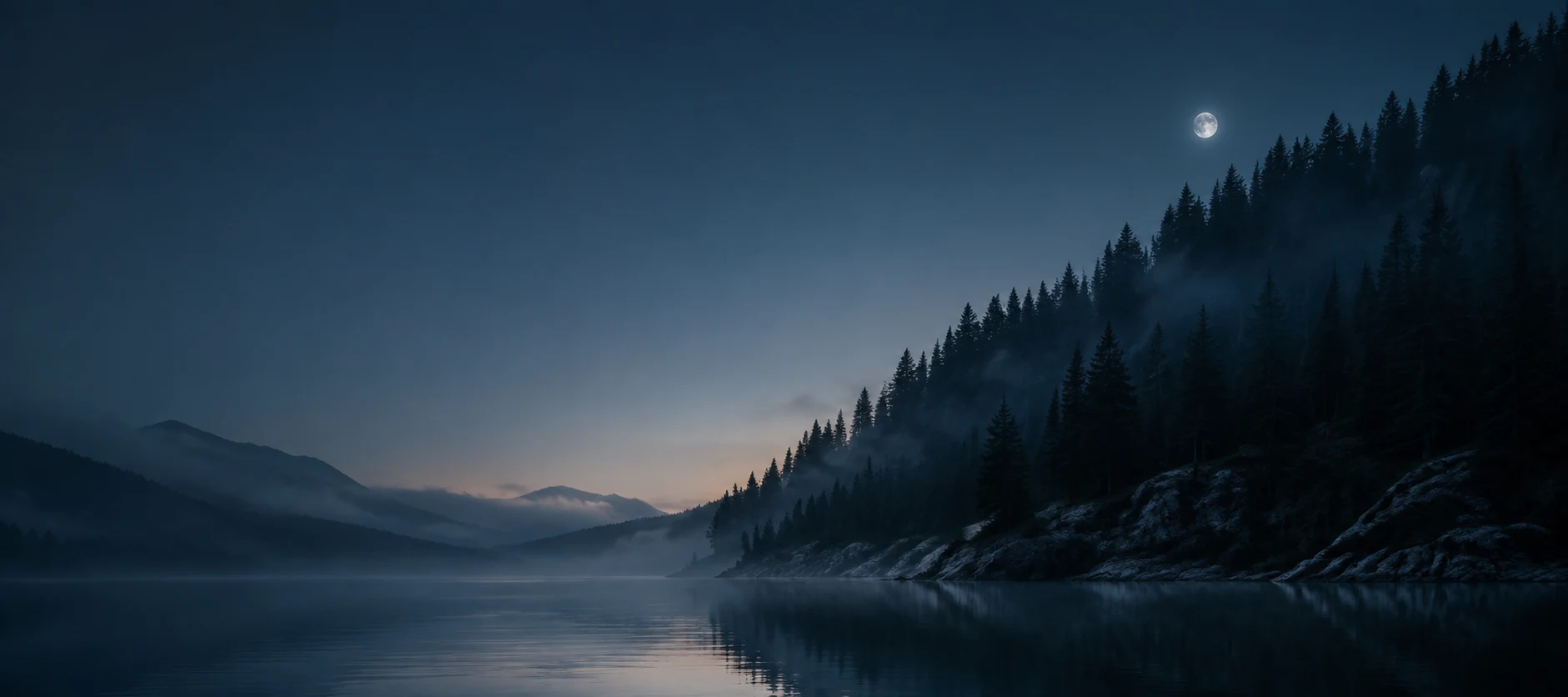
Then, on the fourth or fifth evening, the wind changed and the haze thinned, and I found the moon. Not the flat coin you glance at on the way to the car, but a real surface — ridged and cratered and impossibly close, its edge so sharp it looked cut. I stood on the balcony in my socks for far longer than the cold should have allowed, and I understood, a little, why people give their whole lives to this.
It is difficult to feel hurried while looking at something whose light left it before you were born.
After that I went out every night the sky allowed. I learned to brace my elbows on the railing to steady the view. I learned that Jupiter sits in the lens like a tiny pale button with its own faint moons strung out beside it, and that this sight, freely available to anyone willing to be cold for ten minutes, is one most people will never bother to see.
Learning to wait
The thing no one tells you about looking up is how much of it is waiting. Waiting for a cloud to pass. Waiting for your eyes to adjust, which takes a full twenty minutes and is ruined by a single glance at a phone. Waiting for the slow rotation of the whole sky to bring something into view that was, an hour ago, still below the rooftops.
I have never been good at waiting. But the binoculars asked it of me gently, and somewhere in the third week I noticed that the waiting had stopped feeling like waiting. It had become the point. The standing still, the cold air, the patient turning of things overhead — that was the hobby. The stars were almost incidental.
The binoculars live on the windowsill now, strap and all. Most nights the sky is hopeless and I see nothing. But I have learned to go out and check anyway, just in case the wind has changed, and that small habit of looking up has quietly rearranged how I move through the rest of my hours.
The conversation
Tell me what you've found up there — or what keeps drawing you back outside in the cold.